

Service
Civil Work

Whenever we pass by half-built towers standing still for years, one question always comes up
If you search online, you’ll find polished answers: approval delays, funding issues, coordination problems, new policies, and so on. All that may be true on paper. But the real reasons are much deeper—they lie in the way people think and act once the project begins.
Many developers in North India have built all sorts of projects — hospitals, offices, schools, farmhouses — and handled them well. But when it comes to residential high-rises, everything starts to look easy from the outside. The idea usually begins like this: “Let’s buy all tiles, wires, and fittings in bulk from the factory. That’ll save cost and increase profit.” It sounds logical. But in doing so, people forget the most basic principle — workflow and responsibility. Everyone feels confident: “We’ve hired the best architects and project managers, we know how to do this.” But very few pause to ask, “Would I live in this building myself? Would I let my own family stay here?” That’s where the difference lies.
In India, a house is not just a property — it’s peace of mind, family safety, and self-respect. For many, owning a home is a once-in-a-lifetime moment. Not everyone has the time or skill to buy land and build from scratch, so apartments became the answer — community living with convenience and security. That dream is pure. But somewhere during execution, the emotion gets lost. Everything turns into numbers, drawings, bills, and excuses. People stop thinking about the families waiting behind those walls.
The developer gets approvals, hires consultants, and mobilizes contractors. Then one by one, responsibility starts to blur: • The architect says, “Ask the PMC.” • The PMC says, “That’s the consultant’s call.” • The contractor says, “We only follow drawings.” And slowly the project slips into limbo. Blame piles up on the developer. But anyone who’s ever reached the point of handling a 5- or 10-acre housing project knows — it takes a decade of work and credibility to reach there. No sane developer wants to destroy that reputation for one project. The real issue is that everyone protects their own interest first. No one takes ownership of the whole.
Once people start thinking, “Let me secure my profit first,” the project loses balance. Delays, cash crunch, confusion — all follow naturally. Design teams, site teams, management consultants — everyone adds cost, but not always accountability. And the overhead itself starts eating into the project. That’s how a 24-month schedule quietly becomes 48.
Then the usual lines begin: • “The market is slow.” • “Funds got diverted.” • “Drawings were delayed.” • “Contractor left.” Everyone says their part, and the project still stands still. Because the truth is — nobody treated it as a home being built for real people.
We offer design / turnkey execution with lighting, MEP and visual merchandising integration for your space. Visit www.nextbc.in to learn more . . .
Thanks
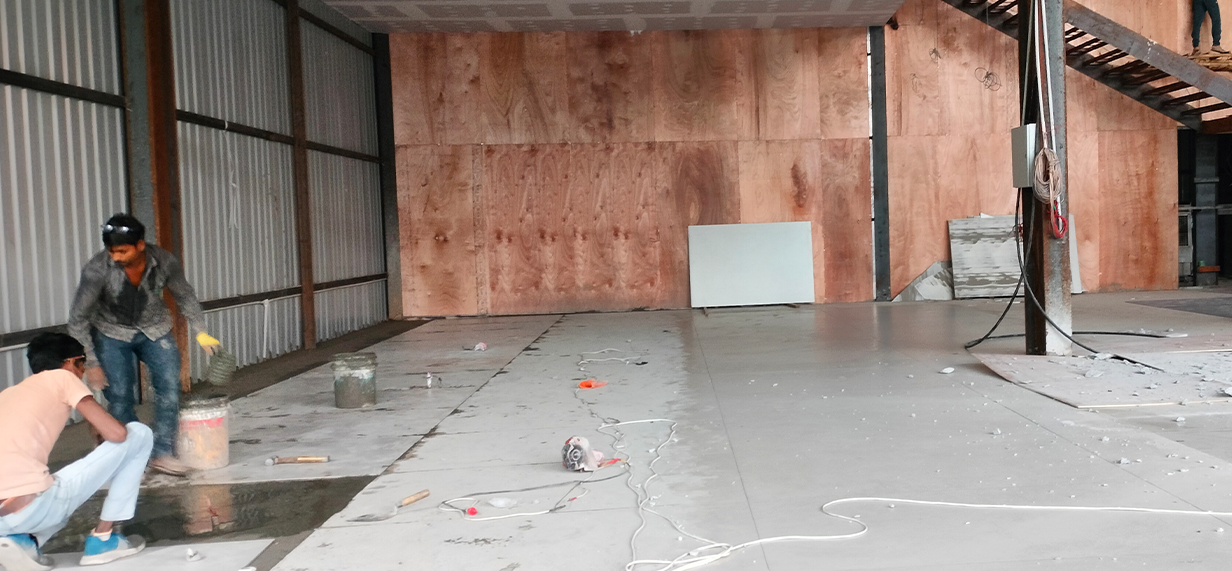

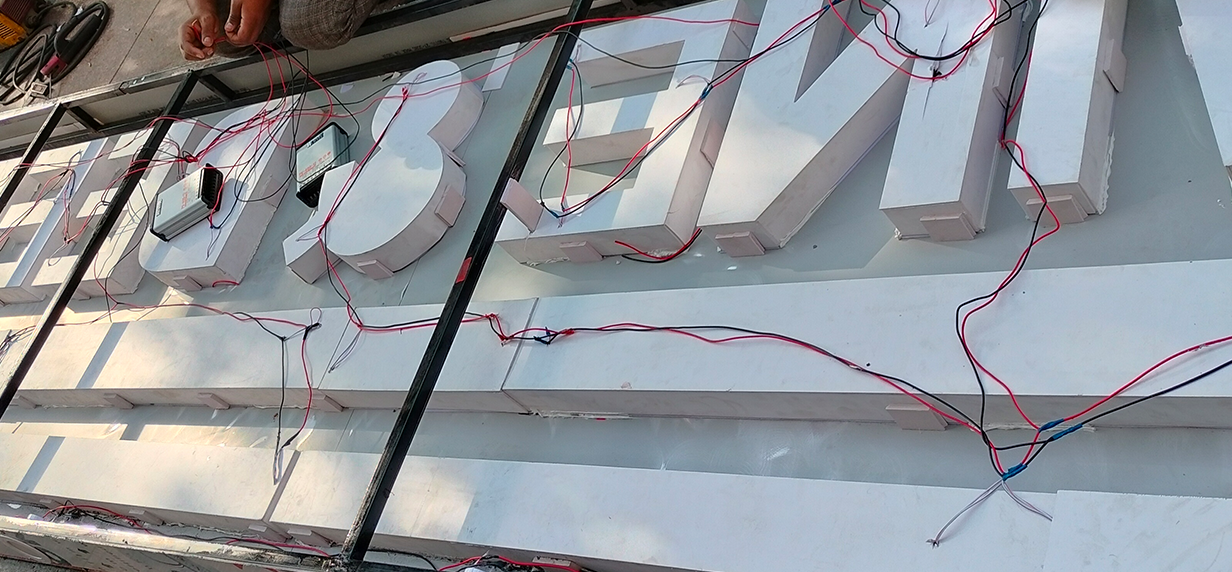
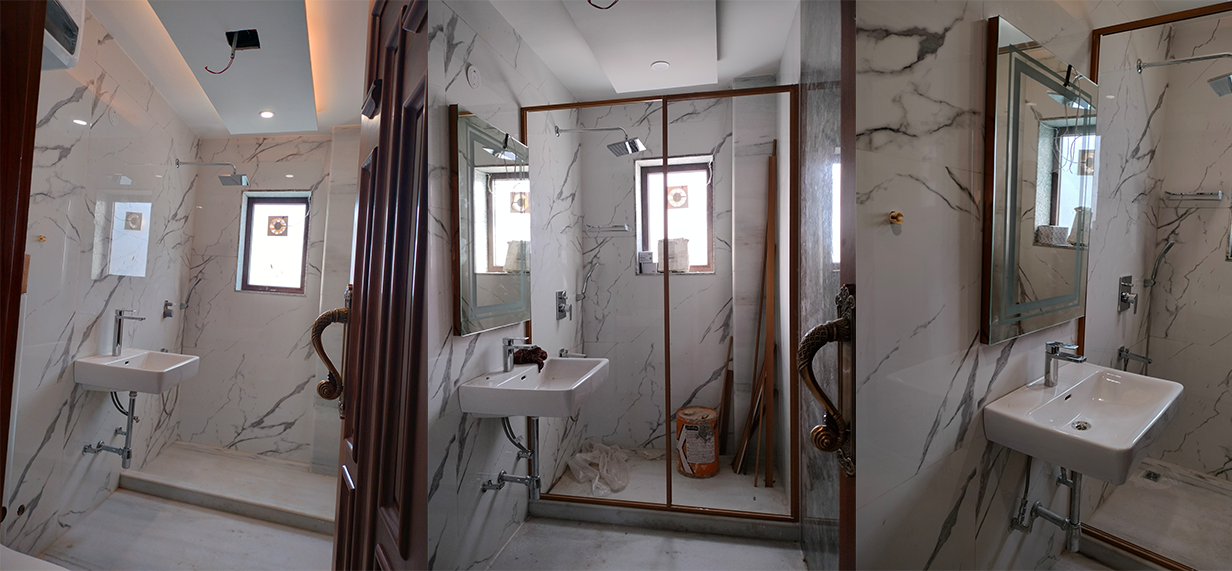
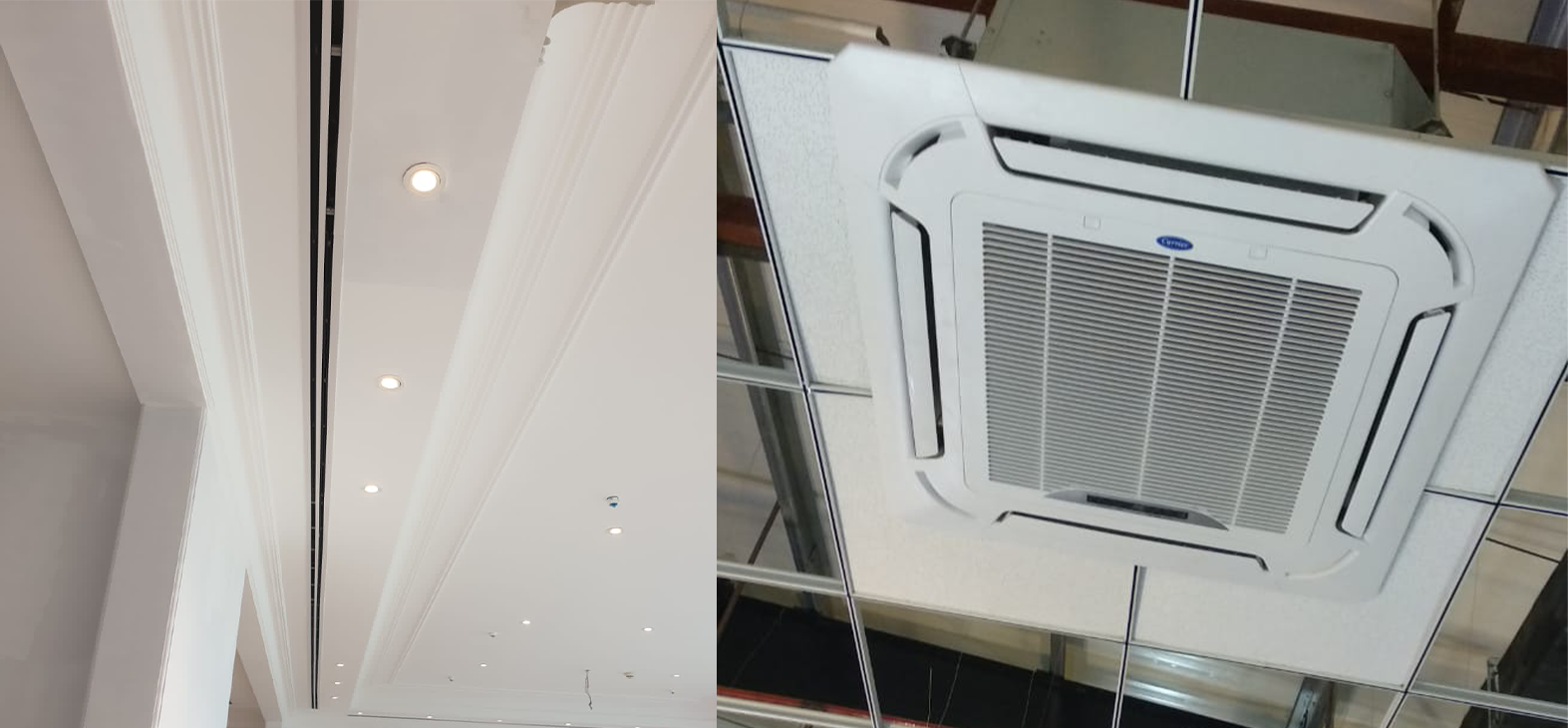
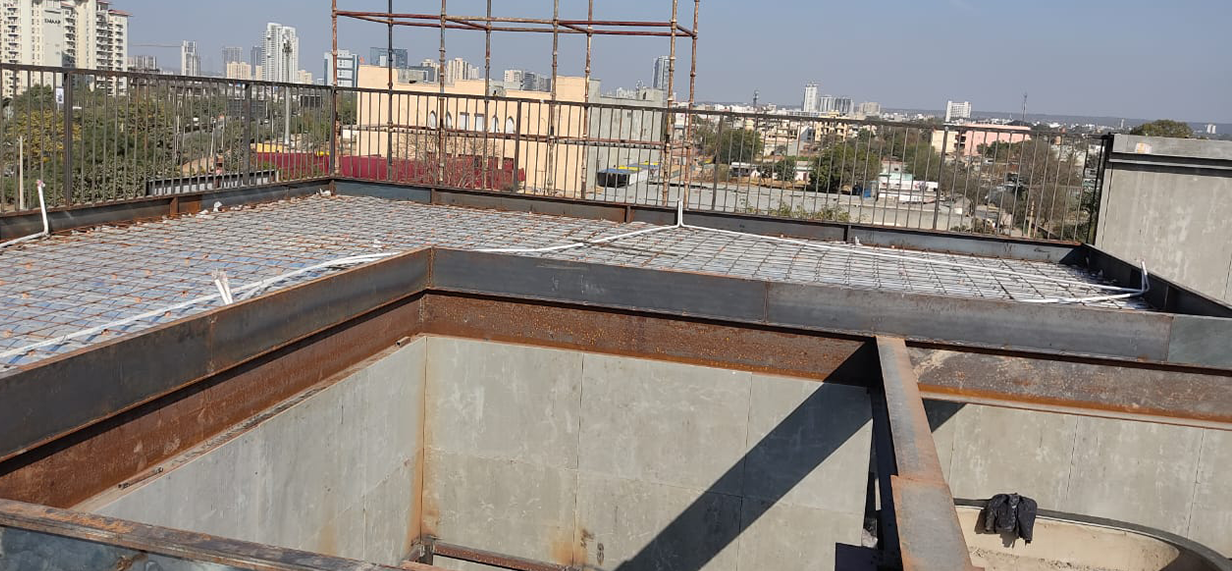

Most delays happen because responsibility breaks at different levels. Architects, consultants, PMCs, and contractors start passing work from one person to another, and no one takes full ownership. When everyone protects their interest first, the project naturally slows down.
These are common reasons mentioned officially, but not the real root cause. The deeper problem is the working mindset. Teams' lack of coordination and unclear accountability cause projects to stall even after approvals and funds are available.
Not completely.
A developer handling a 5–10 acre housing project has already
spent years building credibility. No developer wants to lose
reputation.
However, when multiple agencies collaborate on a project, the
developer often finds themselves at the forefront, even if
others are causing the delay.
Commercial projects like schools, hospitals, offices, and farmhouses have a clear structure and limited dependency. High-rise residential buildings involve: many suppliers many contractors The project includes a long list of fittings and finishes that cater to the emotional expectations of home buyers. emotional expectations of home buyers This human and technical mix makes the work more sensitive and complicated.
Not always.
Buying tiles, wires, or fittings directly from factories may
look cost-saving on paper, but it often disturbs workflow.
Material arrives before the team is ready, storage becomes a
problem, and project sequencing gets affected.
Once the execution process begins, everything transforms into drawings, bills, meetings, and targets. People forget that behind every flat, a family is waiting for safety, comfort, and peace of mind. When emotion disappears from the process, quality and timelines suffer.
This is the typical cycle: Architect says, “PMC will guide.” PMC says, “The consultant will decide.” Contractor says, “We only follow the drawing.” Slowly the project enters a grey zone where no one answers properly, and delays become normal.

When designing your dream home, it’s tempting to prioritize beautiful aesthetics—sleek countertops, statement lighting...

When designing a home, every decision—from color palettes to materials—contributes to the space's...