Service
Civil Work
Why Fire Safety Is Not Optional
In any commercial kitchen or liquor store, fire risk is always present. These areas are very sensitive because they have open flames, gas pipelines, electrical equipment, oil use and the storage of flammable materials. A small mistake or delay can cost a lot of money, shut down a business or even put lives in danger.
That's why fire safety isn't just something you have to do; it's something you have to think about and do while planning and carrying out the project.
Let’s understand the important fire safety systems and elements that should always be considered.
This is one of the most important systems in a kitchen for business.
It is put inside the kitchen hood, right above the grills, fryers and burners.
Why it works:
Best for:
This system helps keep fires from spreading by putting them out at the source.
Gas leakage is one of the biggest fire hazards.
An automatic gas shut-off valve (solenoid valve) is connected with a fire alarm or gas detector.
Why it works:
Best practice:
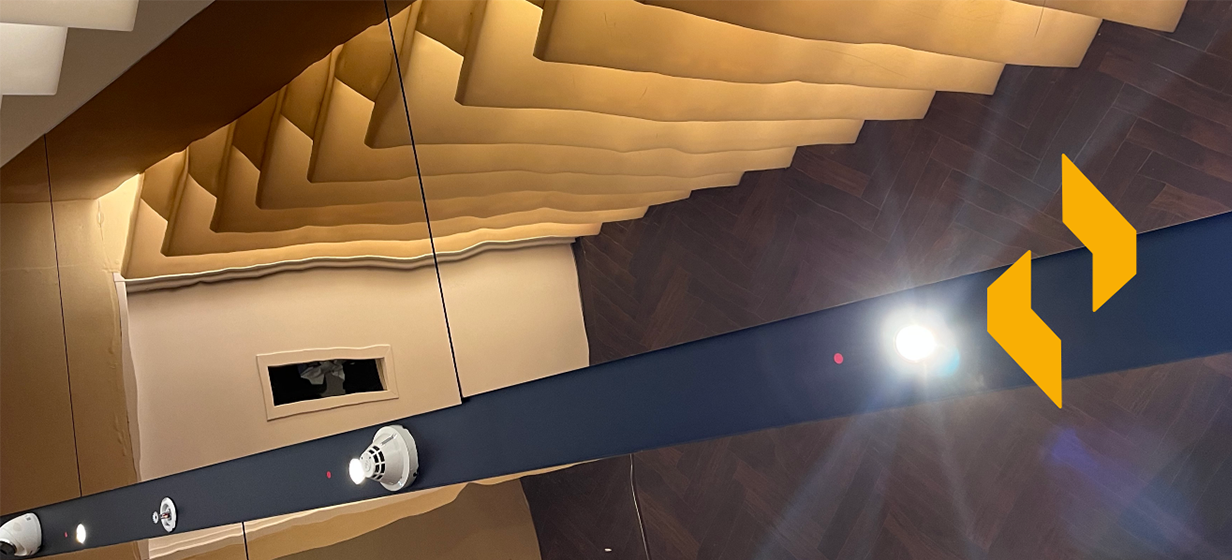
Detection is the first step in fire safety. Because cooking always makes smoke, heat detectors are better for kitchens.
Why it works:
Placement:
A simple but very effective safety tool.
Why it works:
Best for:
Every kitchen staff member should be trained to use it.
During fire or power failure, visibility becomes a major issue.
Why it works:
Must install in:
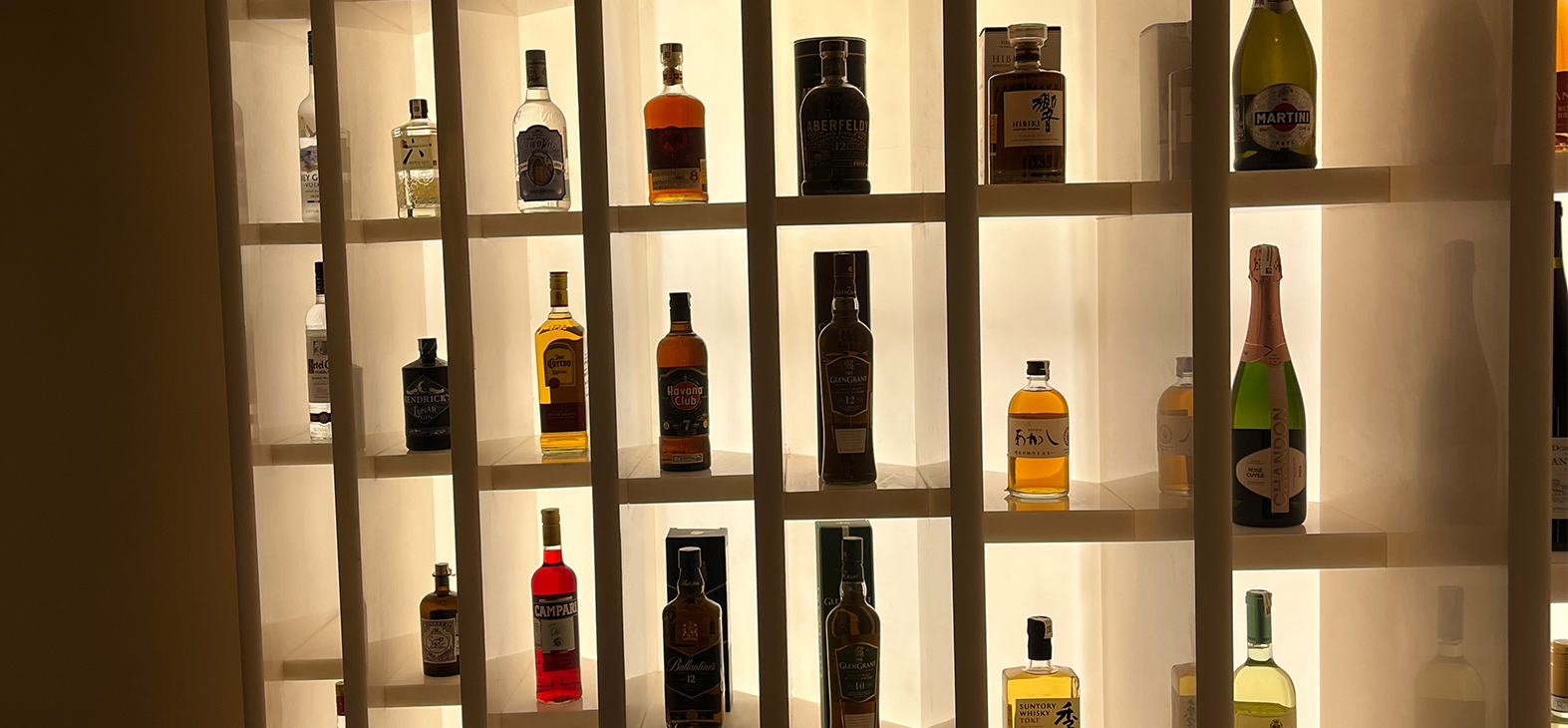
Liquor stores have additional risk because alcohol is highly flammable.
Why it works:
Best for:
Fire-rated doors with panic bars are highly recommended.
Even with advanced systems, fire extinguishers are always required.
Types:
Placement:
Regular servicing is very important.
You should never ignore fire safety in liquor stores and commercial kitchens. It's not enough to just put in the equipment; you also need to plan, carry out and maintain it correctly.
A good fire safety system keeps your staff and customers safe as well as your investment.
We often see nice interiors but bad safety planning in a lot of projects. The best way to do things is to include fire safety from the very start of the design process.
We offer design / turnkey execution with lighting, MEP and visual merchandising integration for your space. Visit www.nextbc.in to learn more . . .
Thanks
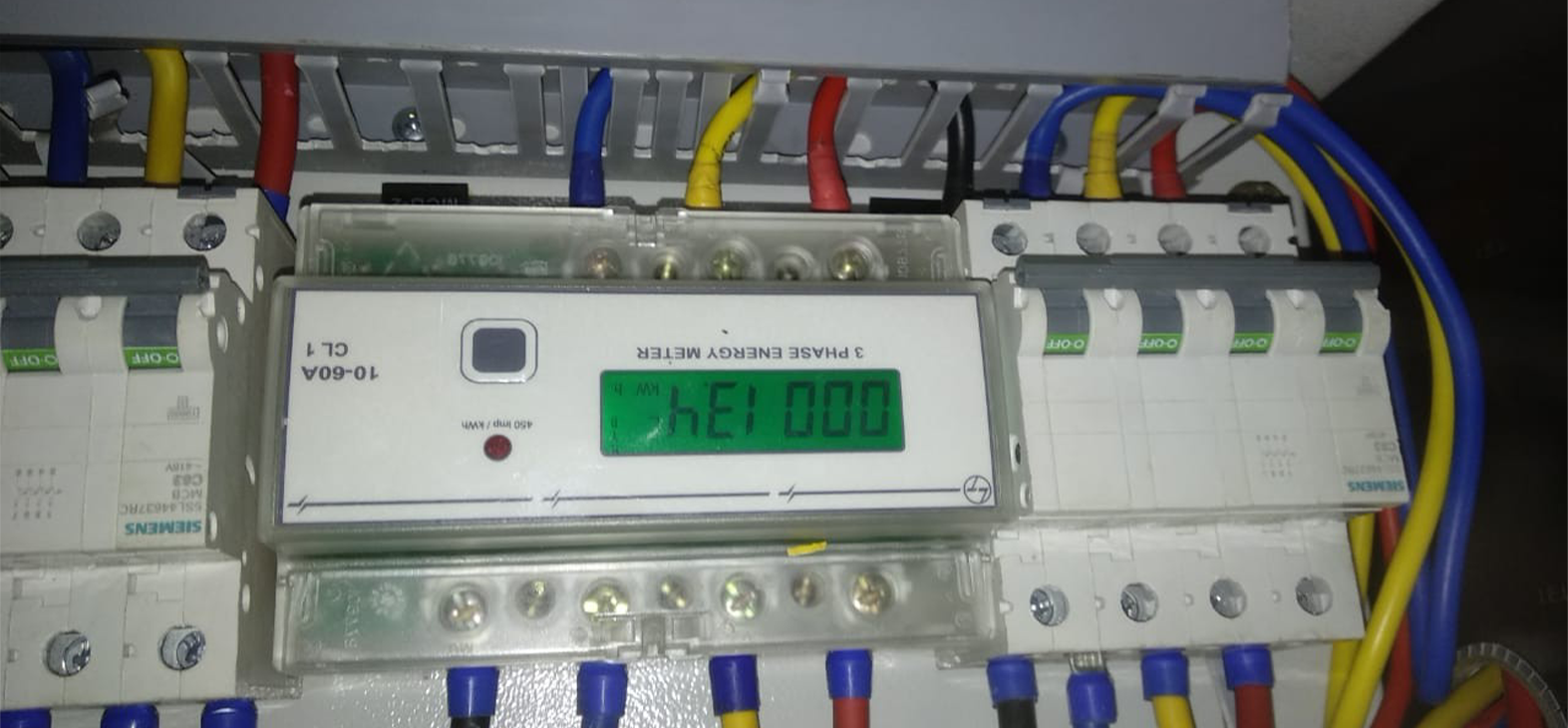
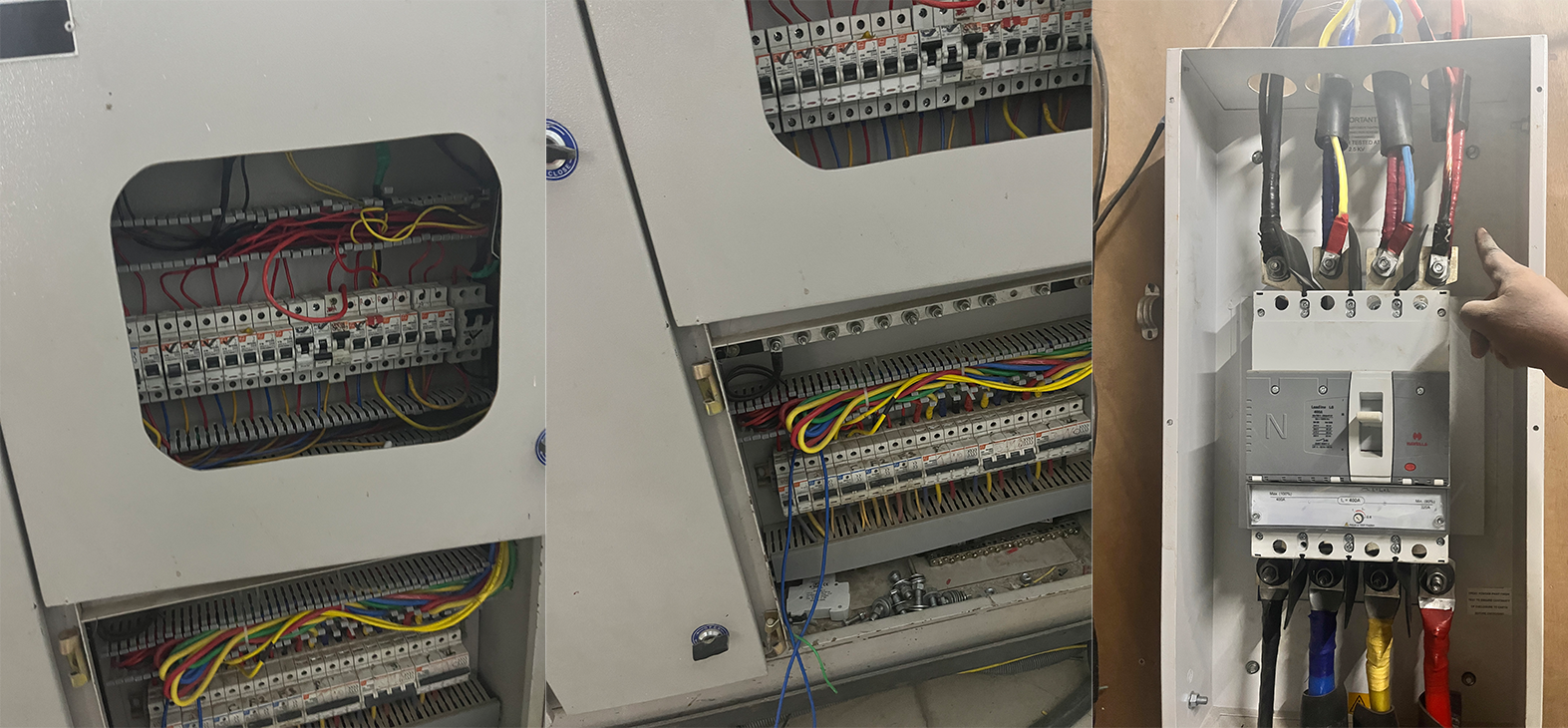
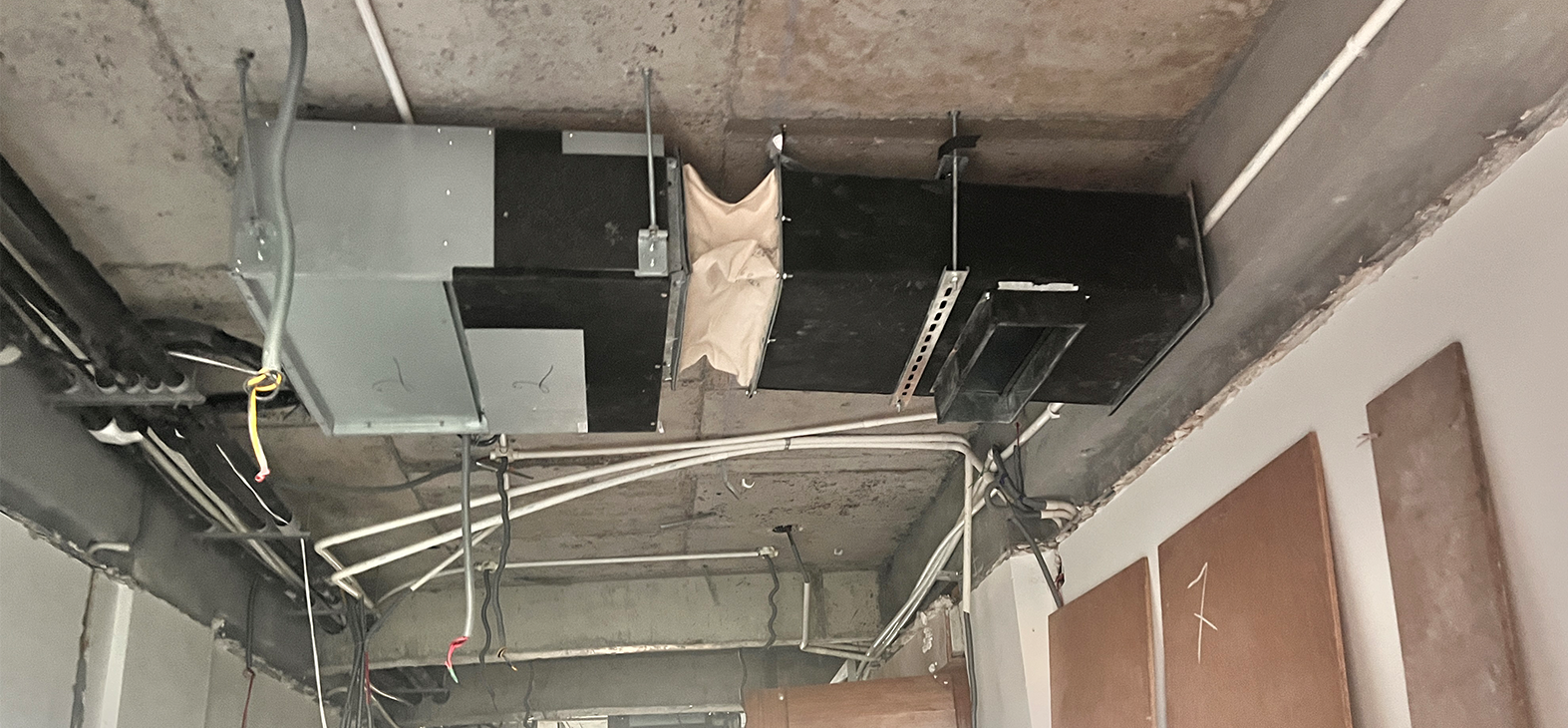

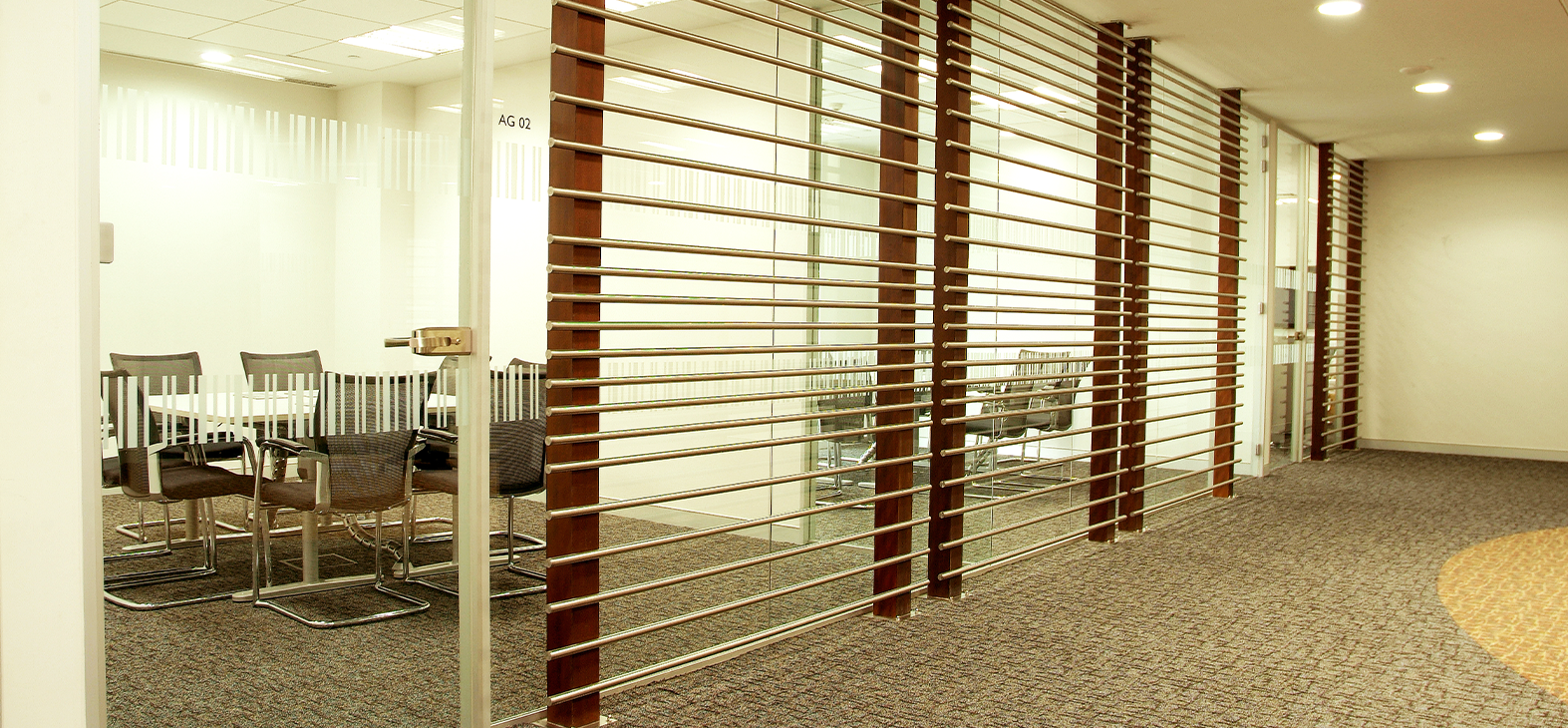
Yes, in most commercial kitchens it is a good idea and often required by fire safety rules.
Water spreads oil fires and makes them more dangerous. A fire blanket or foam extinguisher should be used.
It turns off the gas supply on its own when there is a fire or a leak to keep people safe.
A smoke detector senses smoke, while a heat detector senses temperature rise. Kitchens mainly use heat detectors.
Yes, because liquor is flammable. Fire doors help in controlling fire spread.
At least once every six months or as safety rules say.
Yes, but it's always better and cheaper to plan ahead during the first design stage.

When designing your dream home, it’s tempting to prioritize beautiful aesthetics—sleek countertops, statement lighting...

When designing a home, every decision—from color palettes to materials—contributes to the space's...
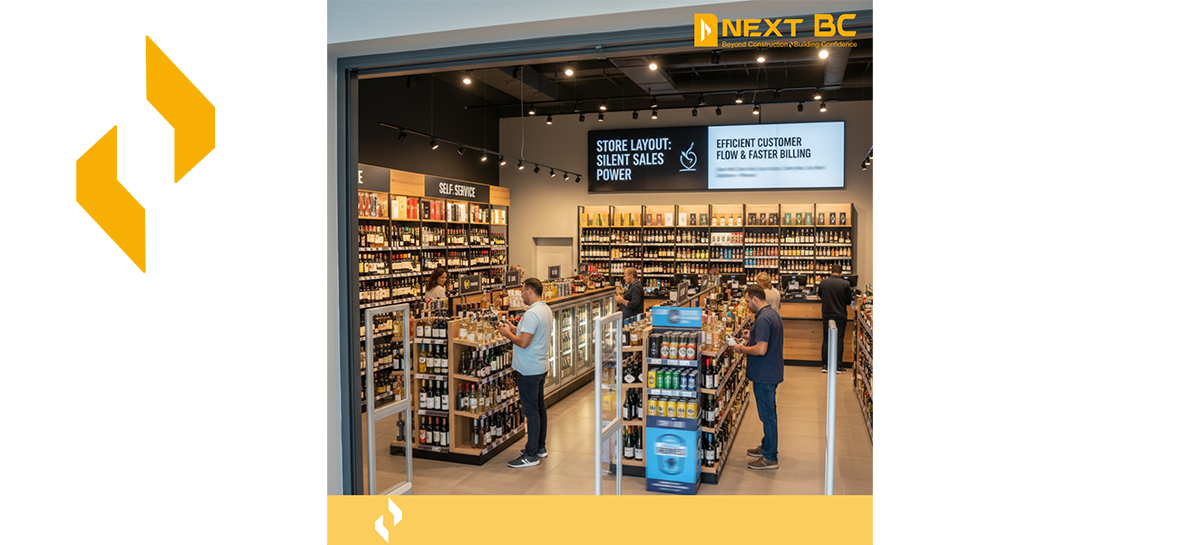
See how smarter aisle planning and checkout zoning reduce queues while lifting add-on sales.
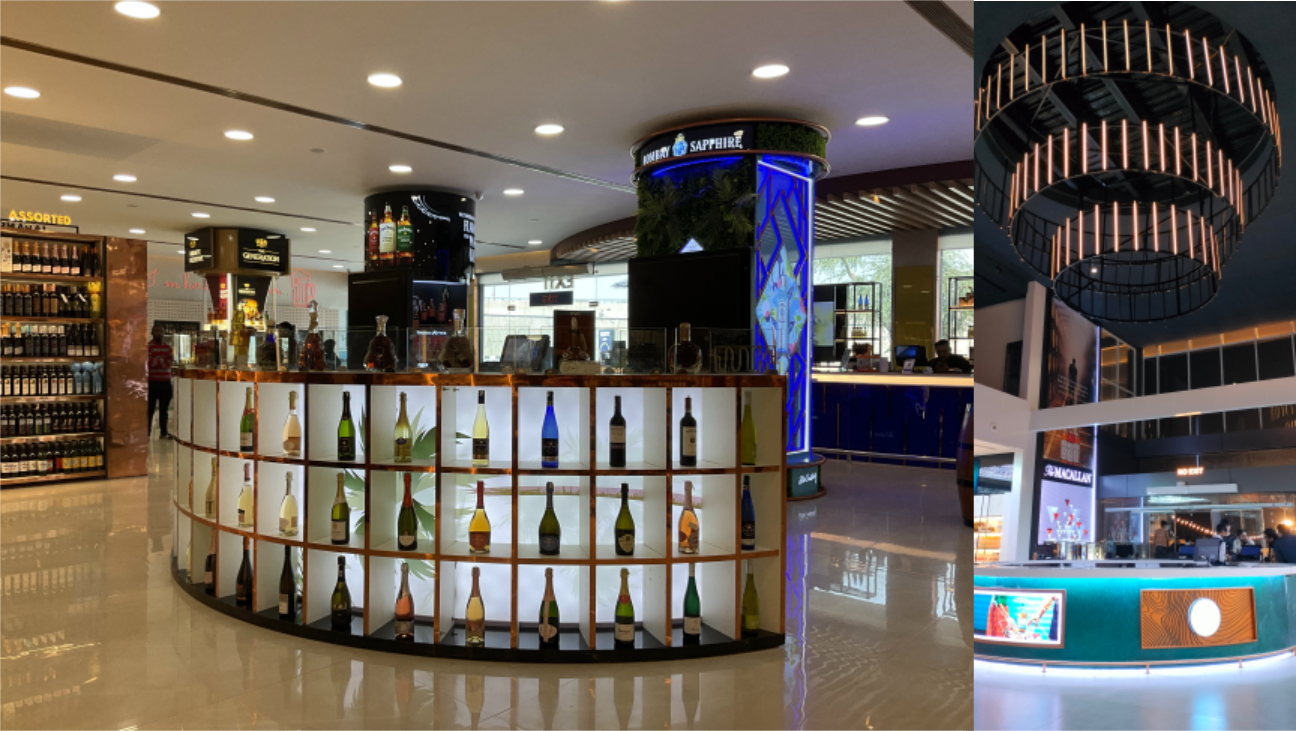
Layout, adjacencies and lighting tweaks that raise basket size in specialty retail.