Service
Civil Work

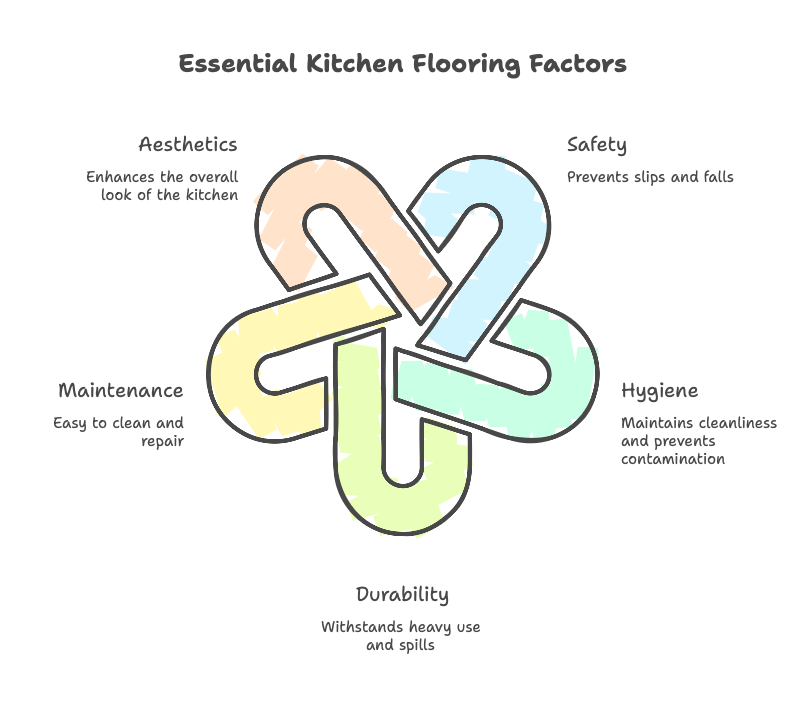
In any food and beverage outlet, the kitchen is the most critical working zone. The cleanliness of the kitchen is the main hygiene factor of the entire outlet. Finishing walls with polished ceramic tiles and flooring with proper joints helps maintain cleanliness and supports daily cleaning.
The kitchen handles heat, water, oil spills, heavy equipment and continuous movement of staff. Because of this, flooring in the kitchen is not just about finish—it is mainly about safety, hygiene and durability.
Even though dining rooms often have great interiors, we often forget how important kitchen flooring is. This can cause people to slip, problems with cleanliness and high costs for upkeep.
Let's see what kinds of floors are best for Indian commercial kitchens.
Looking for expert execution of commercial kitchen flooring? Explore our Flooring Services for durable, hygienic and cost-effective solutions.
This type of tile is used on the floors of most commercial kitchens.
How it works:
Best for:
A lot of high-end kitchens and food processing areas have epoxy floors.
Why it works:
Best for:
The initial cost is higher, but it lasts longer and stays clean, which can lower operating costs and make customers happier over time.
Kota stone is still used in a lot of Indian kitchens because it is strong and cheap.
How it works:
Best for:
You need to polish and seal things the right way to keep them clean.
IPS flooring is still used in low-budget setups.
Why it works:
Limitations:
Use it only when you don't have much money and can take care of it properly.
Quarry tiles are made for heavy-duty work and to be used in industrial kitchens.
Why it works:
Best for:
It costs a little more, but it's very reliable for heavy work.
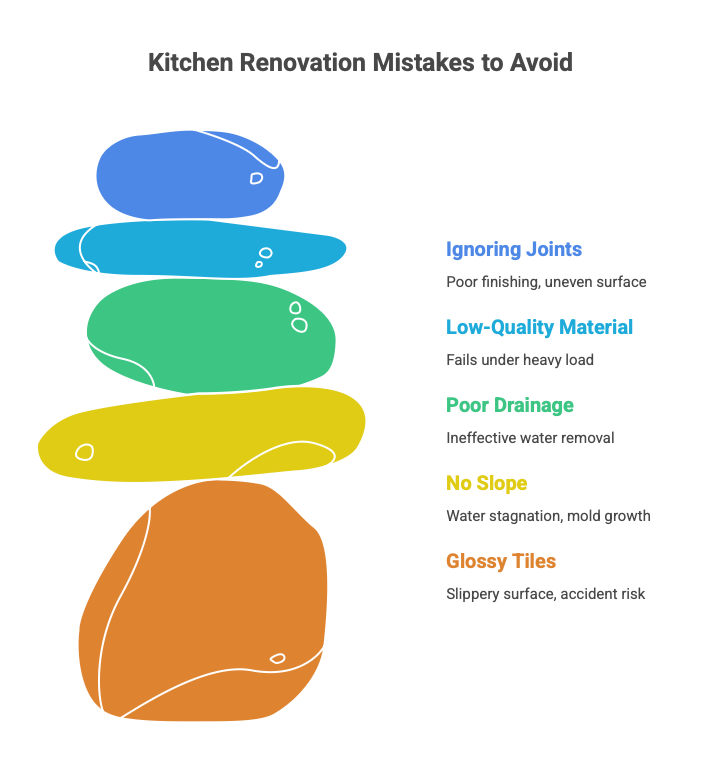
Choosing the right material is important, but so is how you put it together. If you don't do it right, you might have problems like water pooling and higher costs for upkeep.
1. The Right Slope for Water to Flow
The floor must slope the right way toward the drain points so that water doesn't pool.
2. Cove Finish on the Walls' Edges
Cleaning is easier and dirt doesn't build up as quickly when the edges between the wall and floor are rounded.
3. You need a surface that won't slip.
Never use floors that are shiny or polished in the kitchen.
4. Not affected by heat or chemicals
The floor should be able to handle oil, cleaning products and changes in temperature.
5. Easy to Care
For Cleaning every day should be quick and easy.
The best way for Indian F&B kitchens to do things is:
The type of flooring in the kitchen has a direct effect on staff safety, cleanliness and long-term maintenance costs. So, you should always plan it out carefully and never think of it as a last step.
We offer design / turnkey execution with lighting, MEP and visual merchandising integration for your space. Visit www.nextbc.in to learn more . . .
Thanks



When designing your dream home, it’s tempting to prioritize beautiful aesthetics—sleek countertops, statement lighting...

When designing a home, every decision—from color palettes to materials—contributes to the space's...

See how smarter aisle planning and checkout zoning reduce queues while lifting add-on sales.
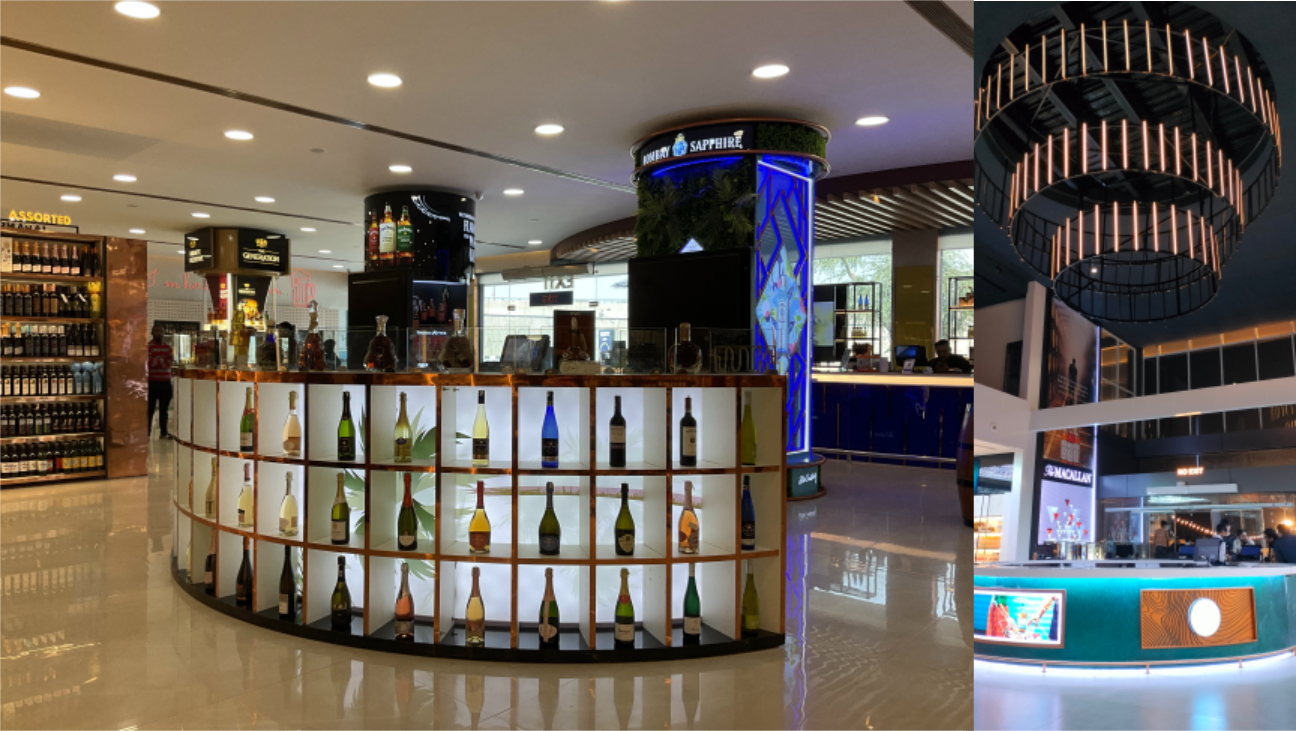
Layout, adjacencies and lighting tweaks that raise basket size in specialty retail.